
The Return of Small-Frame Eyewear: Why 90s Minimalism Is Driving Luxury Wholesale Sales in 2026
The Return of Small-Frame Eyewear: Why 90s Minimalism Is Driving Luxury Wholesale Sales in 2026
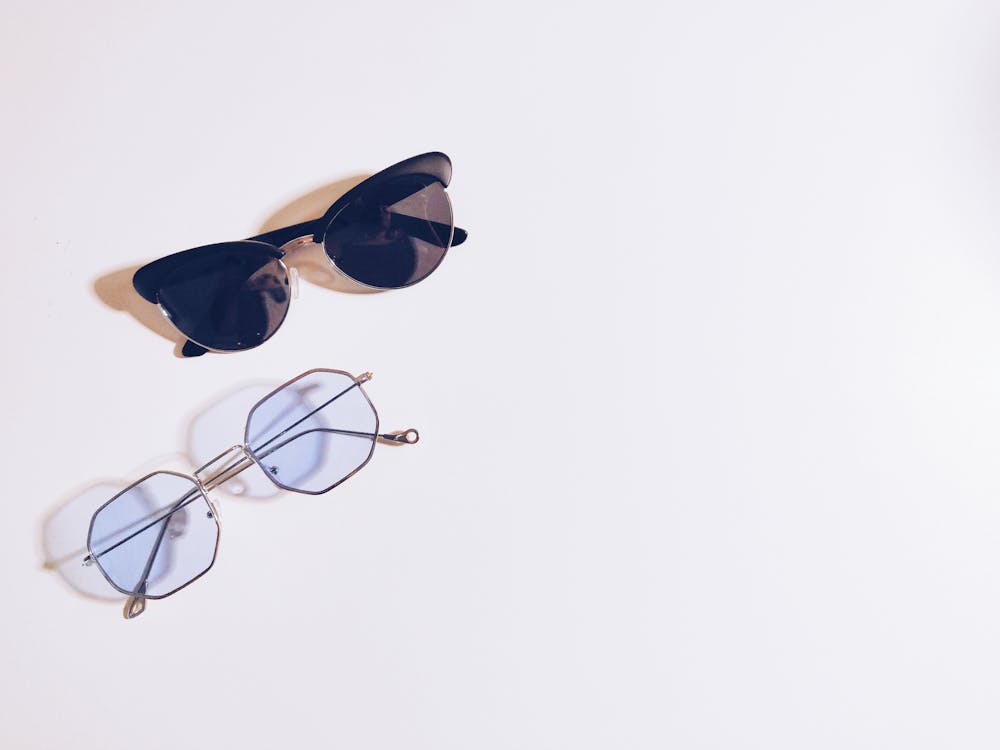
Something unusual is happening in U.S. optical retail. The industry grew to $69.5 billion in 2025 according to Vision Council VisionWatch — even as unit purchases and eye exam volumes declined. That's not a contradiction. That's premiumization at scale, and it's the single most important shift independent retailers need to understand heading into the rest of 2026.
When fewer customers are spending more money per transaction, the frames they choose carry more weight — literally and stylistically. The category absorbing the most of that upgraded spend? Small-frame minimalist designer eyewear, led by a 90s-inflected aesthetic that's moved well past trend status and into wardrobe staple territory. This article breaks down what's driving that shift, what the market data confirms, and how to position your wholesale buying strategy to capture the margin it creates.
TL;DR: The global luxury eyewear market is on track to grow from $34.21 billion in 2025 to $45.93 billion by 2032 at a 4.3% CAGR (Coherent Market Insights, 2025). Small-frame designer collections are capturing that growth while delivering 70–80% gross margins for independent optical retailers — compared to 60–70% for standard frames (Essilor MBA benchmarking data). The margin case for realigning wholesale inventory is already here.
Why Is the Small-Frame Silhouette Dominating Luxury Eyewear in 2026?
The numbers make the case plainly. Miu Miu's vintage small-frame eyewear generated 3 million TikTok views according to Heuritech's trend data — a figure that reflects genuine consumer desire, not paid amplification. That level of organic reach for a single designer's eyewear line signals a category moment, not a fleeting spike. Small frames aren't trending. They're dominating.

The cultural scaffolding supporting this shift is unusually durable. Succession's costuming department turned wire-temple rectangular frames into shorthand for understated power. Gwyneth Paltrow's 2023 ski trial became a case study in quiet luxury styling, with her small oval frames circulating as widely as her testimony. These weren't fashion moments — they were cultural anchors that continued generating search interest long after the news cycle moved on.
The data reflects exactly that staying power. Google searches for "quiet luxury" increased 614% year-over-year, while "stealth wealth" rose 990% and "old money style" climbed 874%, per Accio's analysis of Google Trends data in 2026. Those aren't vanity metrics. They represent purchase intent from a consumer cohort that shops with intention and spends at designer price points.
What makes small-frame minimalism structurally more resilient than oversized or embellished frame cycles is manufacturing complexity. Thin metal tolerances on micro-oval wire frames and rimless lens fabrication require precision engineering that budget manufacturers can't replicate at accessible price points. That barrier keeps fast-fashion optical players out of the segment entirely. The luxury positioning isn't just marketing — it's protected by production reality. That's a rare structural advantage in a category that usually faces relentless commoditization pressure.
Miu Miu's vintage small-frame eyewear accumulated 3 million TikTok views according to Heuritech's 2024–2025 trend analysis, coinciding with a 614% year-over-year surge in "quiet luxury" search volume tracked by Accio via Google Trends in 2026. The data confirms that small-frame minimalism has crossed from micro-trend to mainstream aesthetic cycle.
[INTERNAL-LINK: 2026 eyewear silhouette trend overview → comprehensive guide to major eyewear trends for 2026 wholesale buyers]
What Does the Market Data Say About the Luxury Eyewear Opportunity?
The opportunity is large and still expanding. The global luxury eyewear market reached $34.21 billion in 2025 and is projected to reach $45.93 billion by 2032 at a 4.3% compound annual growth rate, according to Coherent Market Insights. A parallel estimate from Global Market Insights places the 2024 figure at $29.9 billion, forecasting $30.5 billion for 2025 — confirming the trajectory even across methodological differences. Both figures point the same direction.
The U.S. picture adds essential texture. The Vision Council's VisionWatch data shows the U.S. optical industry reached $69.5 billion in 2025 even as purchase volumes and exam numbers fell. That combination tells you everything about where the growth is concentrated: not in more transactions, but in more valuable ones. Consumers are choosing fewer, better frames. That's a wholesale buying cue, not just a consumer insight.
Consider what this means for physical retail specifically. More than 80% of frames and lenses in the USA are still purchased at physical store locations, per the Vision Council. The independent optical retailer isn't a distribution relic. It's the primary discovery environment for aspirational eyewear purchases. That's significant leverage — if the floor inventory earns it.
Here's the honest question most buyers should sit with: if your assortment is concentrated in the $80–$150 wholesale range, you're fighting in the most commoditized, margin-compressed segment of the category. The data is clear that premiumization is pushing growth above that threshold. Mid-market isn't disappearing, but it's not where the industry's expansion is happening in 2026.
The global luxury eyewear market reached $34.21 billion in 2025 and is forecast to expand to $45.93 billion by 2032 at a 4.3% CAGR, according to Coherent Market Insights (2025). This sustained growth trajectory, combined with declining unit volumes in the U.S. optical industry, confirms that category value is concentrating at the premium and designer tier.
[INTERNAL-LINK: independent optical retail market overview → landscape guide for independent eyewear retailers in 2026]
Why Do Small-Frame Designer Collections Outperform on Gross Margin?
The margin differential is real and it's documented. Premium designer eyewear frames generate 70–80% gross margins for independent optical retailers, compared to 60–70% for standard ophthalmic frames, according to Essilor MBA benchmarking data cited by A&A Optical. That 10-percentage-point gap compounds quickly across a full assortment. At scale, it's the difference between a sustainable independent practice and a struggling one.
Three mechanics drive that differential. First, MAP (minimum advertised price) enforcement among designer brands effectively eliminates the race-to-the-bottom pricing dynamic that guts standard frame margins. You're selling at the brand's protected retail floor, not against a dozen online discounters. Second, the purchase psychology for designer eyewear is aspirational rather than utilitarian. Customers aren't comparison shopping on price — they're choosing an identity object. That context makes discounting unnecessary and often counterproductive.
Third, brand storytelling does conversion work that no promotional signage can replicate. When a customer picks up a pair of slim wire-temple geometric frames with a recognizable design heritage behind them, the sale is already partially made. The frame tells its own story. That narrative value is a real commercial asset that independent retailers inherit simply by stocking the right brands.
Independent buyers who've pivoted to minimalist designer collections often report an unexpected outcome: they expected niche resistance from their existing customer base, but instead found the new inventory pulled in a different customer profile entirely — high-margin buyers who hadn't previously viewed the store as relevant to their aesthetic. The small-frame category, it turns out, doesn't just upgrade existing customers. It recruits new ones.
Independent optical retailers carrying premium designer eyewear frames can expect 70–80% gross margins, versus 60–70% for standard ophthalmic frames, per Essilor MBA benchmarking data cited by A&A Optical (2024–2025). Combined with lens packages and add-ons, total transaction gross margin for designer frame sales regularly exceeds 75%, creating a structural profitability advantage over mid-market assortments.
[INTERNAL-LINK: optical retail margin benchmarks → gross margin performance guide for independent optical practices]
How Should Independent Retailers Adapt Their Wholesale Buying Strategy?
With 13,633 eyeglasses and contact lens store businesses operating in the USA in 2026 according to IBISWorld, assortment differentiation isn't optional — it's the primary competitive lever that independent retailers actually control. You can't out-advertise a chain. You can't out-discount a direct-to-consumer brand. But you can out-curate both. That's where wholesale buying strategy becomes a genuine strategic function, not just procurement.

The first concrete step is silhouette diversity within the small-frame category. Buying a single style misses the point. The minimalist aesthetic contains distinct sub-silhouettes that appeal to different customer profiles: micro ovals for the vintage-leaning customer, slim cat-eyes for contemporary femininity, rimless rectangulars for professional restraint, geometric rounds for the design-conscious buyer. An edited selection of 6–10 styles across those sub-categories builds a floor that feels coherent rather than coincidental.
The second strategic element is a two-tier price architecture. An entry range at $250–$350 retail captures aspiration-ready customers who are new to designer eyewear. A premium tier at $500 and above serves the established luxury consumer and anchors the floor's positioning upward. Offering only one tier — especially if it's the lower one — leaves revenue on the table and signals to higher-spending customers that the assortment isn't meant for them.
Can your floor tell a coherent minimalist story with your current selection? The third dimension of buying strategy is often the most overlooked: floor presentation as a content investment. Small frames photograph extraordinarily well. Clean metal architecture against a simple background is inherently social-media-ready. Buying the right selection means your wholesale investment extends organically into Instagram and short-form video content — which, for a frame category generating millions of views on TikTok already, is a real multiplier.
With 13,633 eyeglasses and contact lens store businesses in the USA in 2026 per IBISWorld, independent optical retailers compete most effectively through assortment curation rather than price or advertising scale. A structured small-frame buying strategy — covering silhouette diversity, dual price tiers, and floor presentation — creates differentiation that chain and online competitors structurally cannot replicate.
[INTERNAL-LINK: wholesale eyewear buying guide → step-by-step guide to building a luxury eyewear inventory mix]
What Should Optical Buyers Look for in a Luxury Wholesale Eyewear Partner?
Scale has attracted a lot of distributors to this category. The global eyewear market across all segments reached $181.75 billion in 2025 and is projected to hit $330 billion by 2034 at a 7% CAGR, according to Fortune Business Insights. Numbers like that draw volume-oriented players whose business model is high-throughput order fulfillment, not category intelligence. For an independent retailer building a premium assortment, those aren't the right partners.

What a true luxury wholesale distributor looks like is different. Trend-responsive inventory management means the catalog reflects what's actually moving in the market, not what was ordered six months ago in bulk. Flexible minimum order quantities matter because independent retailers can't absorb the carrying cost of overcommitted inventory. Authenticated brand provenance protects your store's reputation and your customers' trust. And genuine B2B partnership means your distributor brings category perspective to the relationship — not just the ability to process a purchase order.
MJG Trading operates as a specialty luxury wholesale eyewear distributor serving the U.S. market, with curated access to designer and premium frame collections including the small-frame and minimalist silhouettes driving 2026's most significant category growth. The focus is on independent retail partners who are building differentiated, margin-conscious assortments — not on volume accounts that treat eyewear as a commodity.
[INTERNAL-LINK: browse MJG Trading luxury wholesale eyewear collections → designer eyewear wholesale catalog for U.S. optical retailers]
Frequently Asked Questions
What are the best-selling small-frame eyewear styles for independent retailers in 2026?
The most commercially proven small-frame styles entering 2026 are micro ovals, slim wire-temple geometric rounds, and rimless rectangulars with gold or gunmetal hardware. Miu Miu's vintage small-frame line generated 3 million TikTok views per Heuritech (2024–2025), indicating strong demand for 90s-inspired oval shapes specifically. Slim cat-eye profiles are also showing accelerating retail velocity among female buyers aged 25–45. [INTERNAL-LINK: top-selling minimalist eyewear styles 2026 → curated collection of leading small-frame designer styles]
How durable is the small-frame trend — should I commit wholesale inventory now?
This isn't a flash trend and it's not at peak. Google searches for "quiet luxury" grew 614% year-over-year according to Accio's analysis of Google Trends data in 2026 — numbers that reflect a trend still in mainstream acceleration, not plateau or decline. The structural manufacturing barriers that keep budget competitors out of small-frame production also protect the aesthetic's luxury positioning longer than trend cycles typically allow. Committing inventory now means entering while margin is strong, not after the window narrows.
What gross margin can I realistically expect from designer eyewear wholesale purchases?
Premium designer eyewear frames deliver 70–80% gross margins for independent optical retailers versus 60–70% for standard frames, per Essilor MBA benchmarking data. That differential is meaningful at the transaction level and significant across a full assortment over a quarter. Combined with premium lens packages and coatings — where margins run 80% — total transaction gross margin on a designer frame sale regularly exceeds 75%. That's the number to model when making buying decisions.
How does the quiet luxury trend affect sunglasses vs. prescription frame buying differently?
The commercial dynamics differ in useful ways. Sunglasses in minimalist small-frame silhouettes benefit from faster sell-through velocity because trend-driven customers buy them as seasonal additions to an existing wardrobe. Prescription frame buyers at the $400+ designer tier treat the purchase more like a wardrobe staple, extending the wear cycle and returning for a second pair in the same aesthetic register. Both categories benefit from the trend — but sunglasses reward quick replenishment capability while designer Rx frames reward depth of brand story on the floor.
What should I look for in a wholesale sunglasses distributor in the USA for luxury frames?
With 13,633 optical store locations operating in the USA in 2026 per IBISWorld, your wholesale partner is a real competitive variable. Prioritize authenticated sourcing with verifiable brand provenance, flexible MOQs that match independent retail scale, trend-responsive seasonal inventory refreshes timed to actual market movement, and a dedicated B2B support model. A distributor who can tell you why a silhouette is moving — not just that it's available — is materially more valuable than one who can't. [INTERNAL-LINK: contact MJG Trading → wholesale inquiry form for luxury eyewear sourcing]
The Case Is Convergent — Not Coincidental
Three independent signals are pointing in the same direction simultaneously. The trend momentum behind small-frame minimalism is still accelerating — search data, social engagement, and runway activity all confirm it hasn't peaked. The market data shows premiumization concentrating industry value at the designer tier, with the U.S. optical market growing to $69.5 billion even as unit volumes decline. And the margin structure for designer frames offers a documented 10-percentage-point gross margin advantage over standard inventory that compounds meaningfully across a full buying season.
None of these signals is new in isolation. What's changed in 2026 is that they're reinforcing each other at the same time, creating a concentrated window where assortment decisions carry more downstream financial weight than usual. The independent retailers who recognize that window — and act on it with disciplined wholesale buying — won't just ride a trend. They'll build a margin structure that sustains the practice long after the aesthetic cycle evolves.
What does your current frame mix say about your store's point of view? [INTERNAL-LINK: explore MJG Trading's luxury wholesale collections → designer eyewear wholesale catalog and inquiry]